

We’ve all been there: staring at winning competition entries and thinking, “How on earth did they pull that off?” For sisters Iuliia and Valentina Tambovtseva, that feeling was all too real—until they decided to stop wondering and start designing.
Today, we’re sharing an incredible case study from the Architecture Competitions Yearbook that proves you don’t need a lifetime of experience to take home the gold. Diving into “The Golden Sand Waterfront” competition organized by TerraViva Competitions, the duo breaks down how they transformed the coast of Lignano Sabbiadoro. From managing six distinct design areas to using “ugly sketches” as a roadmap and finding inspiration in Italian architectural icons, this article is a step-by-step guide for anyone who dreams of seeing their name at the top of the winners’ list.
Intro
In the realm of Architecture, where passion and creativity intertwine, few young professionals or students haven’t thought of entering Architectural Competitions. By entering a Design Competition participants devote themselves tirelessly for weeks, even months, yearning for the chance to be acknowledged. Yet, how many of us dare to envision winning the first prize? My sister and I certainly didn’t. During our time in Architecture School, we closely observed our peers’ successes in various architectural competitions. Winning one ourselves seemed a distant goal, as the bar set by winning projects appeared almost unreachable. We often wondered, ‘How do they do it?
“The Golden Sand Waterfront” was the second competition we`ve ever entered and the first we won. When “The Golden Sand Waterfront” competition emerged, seeking to breathe life into Lignano’s coast, we felt that the competition perfectly aligned with our passion for revitalizing neglected urban spaces and waterfronts. Having grown up in a city with a strong connection to water, we understood the potential of coastal areas to become thriving community hubs. This personal affinity for the project ignited a sense of purpose and we were convinced we should give this competition a try. Having this emotional connection to the topic we believed that we had a good chance to design a great project and possibly be among the finalists. This might not be the same for everybody, but looking back it’s clear that a deep connection to the project theme undoubtedly drove our success and helped us create a meaningful and beautiful project.
The Challenge
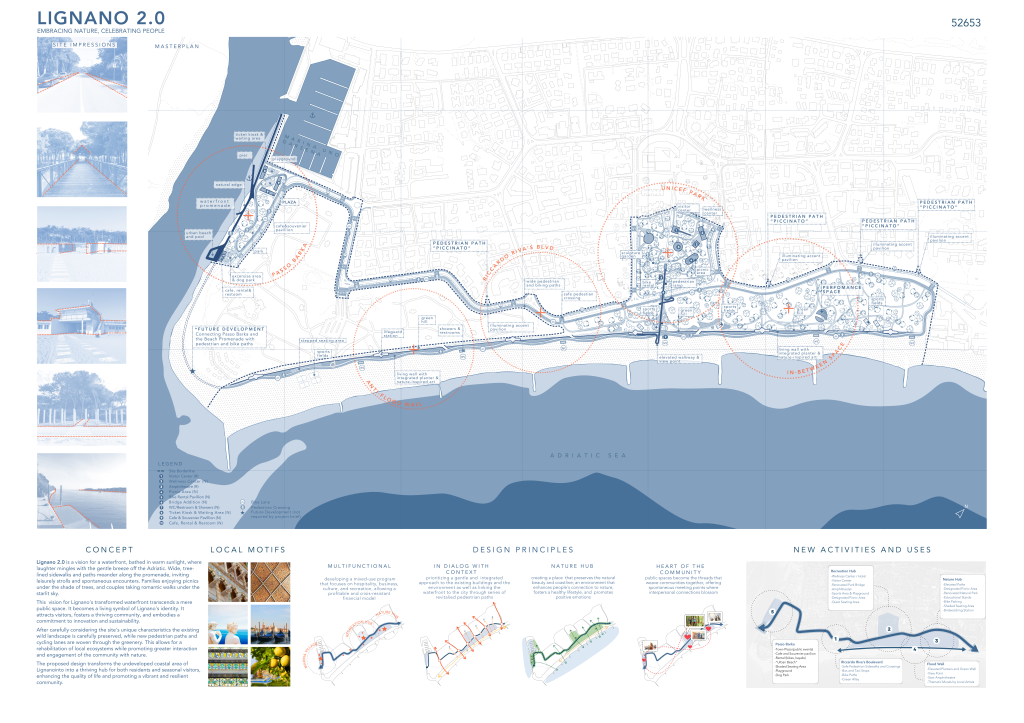
The “Golden Sand Waterfront” competition, organized by TerraViva Competitions, aimed to breathe new life into the Lungomare of Lignano Sabbiadoro, a popular Italian seaside resort town. It presented a unique challenge: designing a cohesive masterplan while simultaneously addressing the specific needs of six distinct areas: The Main Street “Riccardo Riva”, “Piccinato” Pedestrian Paths, the “In-Between Space”, the Anti-Flood Wall, the Unicef Park, the “Passo Barca”. Each of them had specific design requirements and could`ve been a separate competition simply due to their size and the amount of work that was required to thoughtfully design each of the six areas.
The designers were asked to create a master plan that would not only revitalize the waterfront area but also foster a thriving public space that seamlessly blends with the natural environment. The competition emphasized the creation of a resilient and sustainable urban area. We were encouraged to explore innovative solutions that would revitalize the neglected coastal strip and enhance the overall quality of life for both residents and visitors. The focus was on creating a space that promoted pedestrian and bicycle traffic while minimizing the impact of vehicles.
Key challenges also included reconnecting the waterfront with the urban fabric, preserving the natural landscape, and designing a flexible space that could accommodate diverse activities throughout the year. Ultimately, the competition aimed to create a new landmark for Lignano Sabbiadoro, a place that would inspire and delight visitors while fostering a strong sense of community among residents.
The First Steps
The foundation of any successful design project is a thorough understanding of its context. For “The Golden Sand Waterfront” competition this meant immersing ourselves in the complexity and beauty of the site. We dedicated a week to unraveling the site’s history, analyzing its existing conditions, and identifying potential opportunities and constraints. Besides that, we thoroughly analyzed the brief and additional documents provided such as maps and site photos.
Throughout the whole design process, the competition brief served as a roadmap, guiding our research and informing our design decisions. By gaining a deep understanding and appreciation for the site’s unique character as well as the competition’s core values, we were able to identify key design principles that would resonate with the competition’s goals and the jury’s expectations. This deep research was crucial as it allowed us to establish a solid foundation for our further creative exploration.
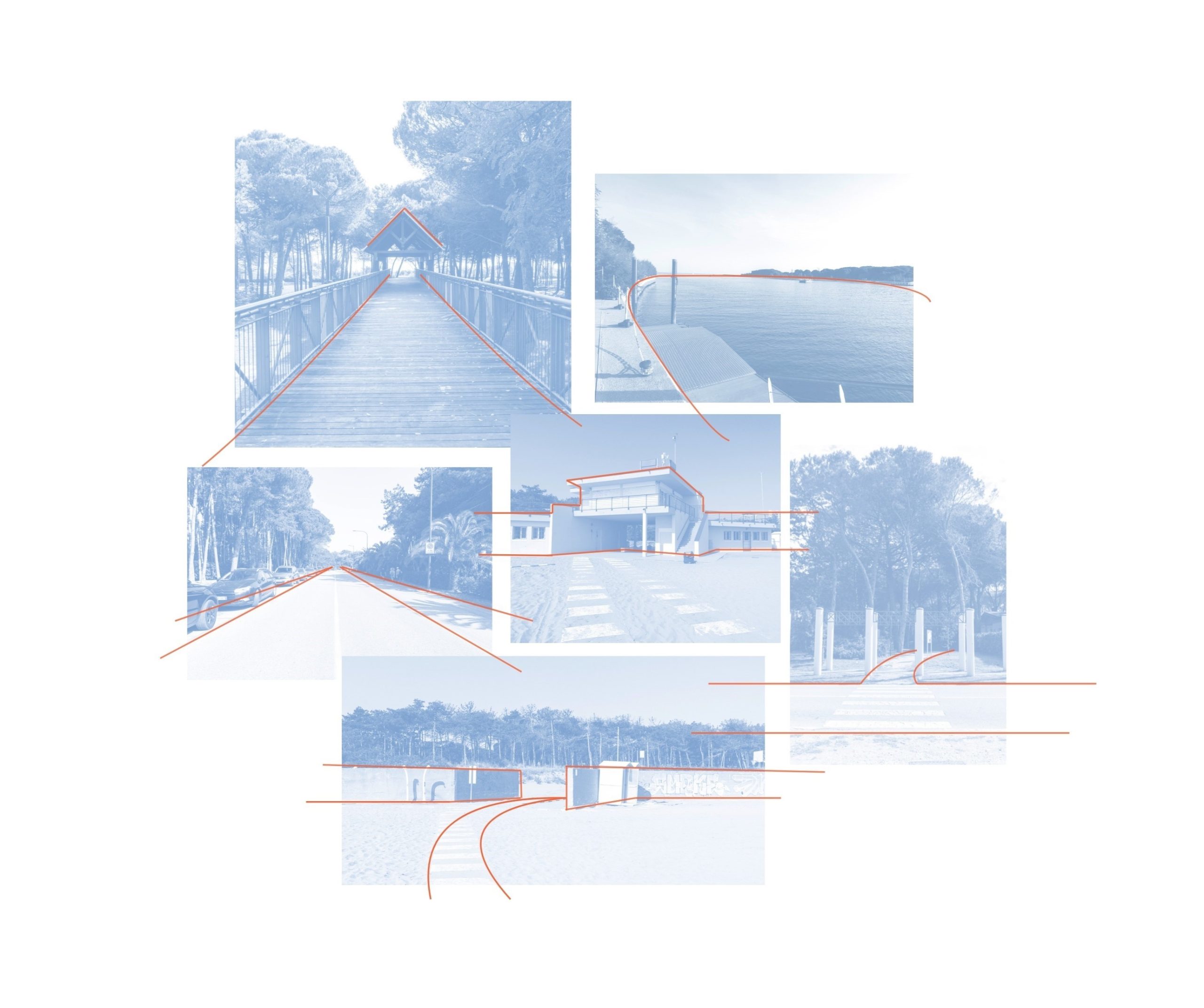
We believe that good design should be able to tell a story. That is why our next step after the competition brief analysis and site research is creating a list of keywords and phrases that we want our project to associate with. The phrases such as “pedestrian-friendly design”, “vibrant public spaces”, “rehabilitation of local ecosystems”, and “engagement with nature” as well as keywords “rethink”, “integrate”, and “connect” were widely used in the brief of “The Golden Sand Waterfront”. We used them as well as a few others as a base for our design story. This is also how we came up with the name for our project “Lignano 2.0 — Embracing Nature, Celebrating People” , which means the beginning of a new era for Lignano where people and nature thrive together.
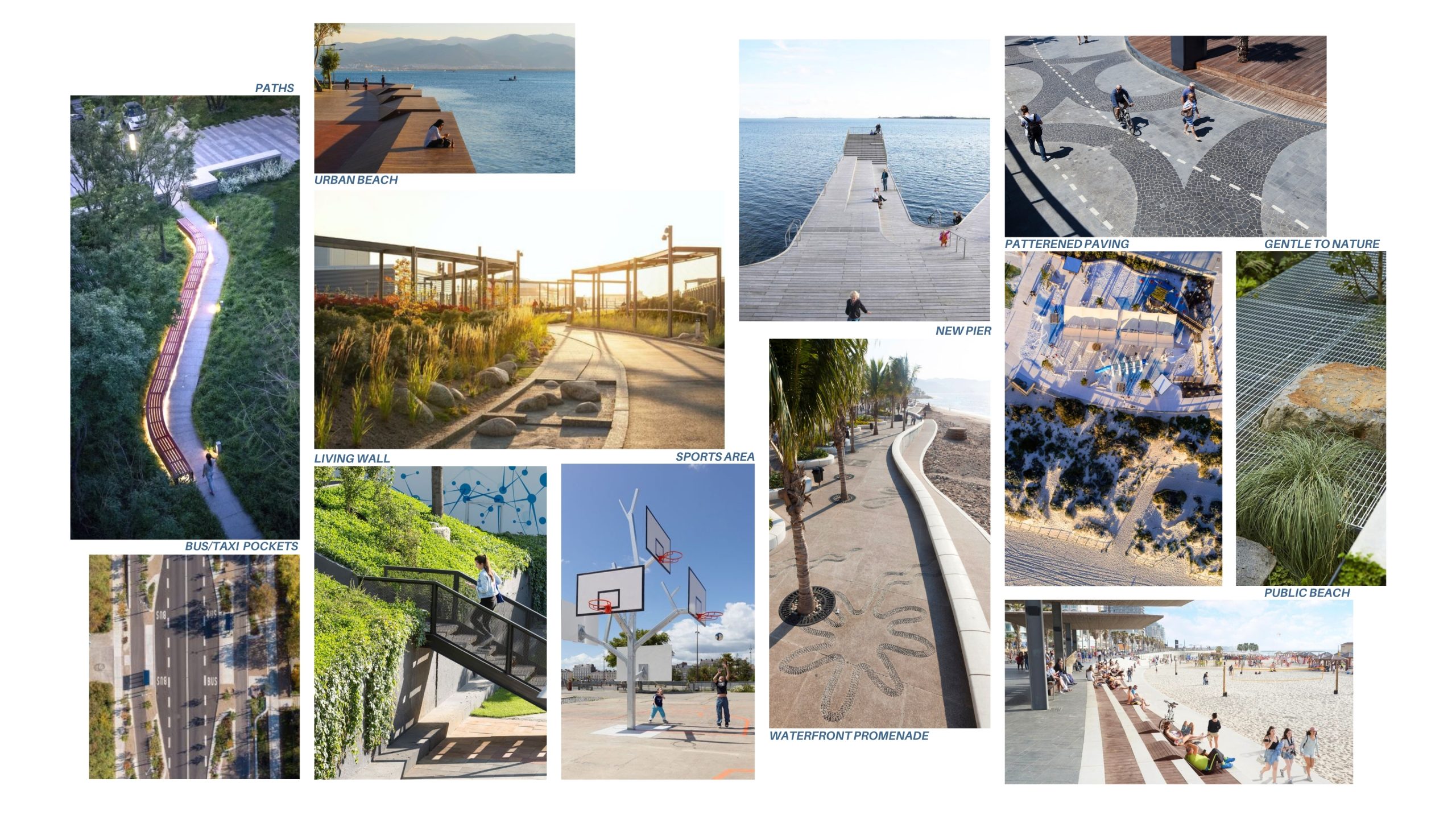
Designing in two scales at the same time — the vast scale of a masterplan and the more intimate scale of each of the six areas, became one of the main challenges of this competition. Our approach was to break down the problem into smaller, more manageable components and to identify the core challenges and opportunities within each. We created a separate collaborative file where we wrote down “the problem”, “the goal” and “the solution” for each of the six areas. We also created moodboards which included some precedents as well as graphic ideas and color schemes that helped us to visualize our design direction.

From Parts to a Whole / 6=1
As previously mentioned, the competition required us to address six distinct areas of the waterfront. Following an in-depth site analysis and research, we developed an initial vision for each space that further would develop into a full design concept.
Firstly, the main street “Riccardo Riva,” demanded a radical transformation from a car-centric thoroughfare to a pedestrian-friendly boulevard. To do so we needed to reimagine the street layout, incorporate green spaces, and provide essential elements like lighting, seating, and bike paths in our proposal.
The “Piccinato” pedestrian paths presented an opportunity to create a seamless connection between the city and the coastline. For us, it was crucial to design paths that were not only visually appealing but also functional and accessible. The challenge lay in integrating these paths into the existing urban fabric while preserving the area’s natural beauty.

The “In-Between Space” presented itself as a delicate ecosystem that required a sensitive approach. Based on our research of the site our main strategy for this area was to create a harmonious coexistence between nature and human activity. We set the goal to enhance public amenities and access to them without compromising the environment by introducing subtle interventions, such as strategically placed sports areas, seating, an observation deck and a network of gently winding paths.
Transforming the “Anti-Flood Wall” was an opportunity to reimagine this often-overlooked structure as a catalyst for public engagement. We explored various strategies to integrate it into the overall landscape, transforming it from a barrier into a living wall shaped by integrated planers with native plants and nature-inspired art.

The “Unicef Park” posed the challenge of balancing the preservation of natural landscape with the need for commercial development and public amenities. We envisioned this area as a dynamic and engaging destination with a wellness center, attracting visitors year-round, an amphitheater, to host cultural events and performances, as well as, a visitor center and dedicated sports areas, playgrounds, and picnic zones for families and people with active lifestyles.
Finally, the “Passo Barca”, being one of the least developed, demanded a full re-planning and careful integration into the overall masterplan. To do that we needed to create a clear connection through pedestrian and bike paths, this empty area into a thriving public space accessible to various users. Our goal was to create a multi-functional hub offering a variety of amenities such as food kiosks, bike stations, recreational areas, and even a dedicated beach area. The existing pier required an update and the addition of essential services such as ticket offices, waiting areas, and a cafe while enhancing its overall aesthetic appeal.
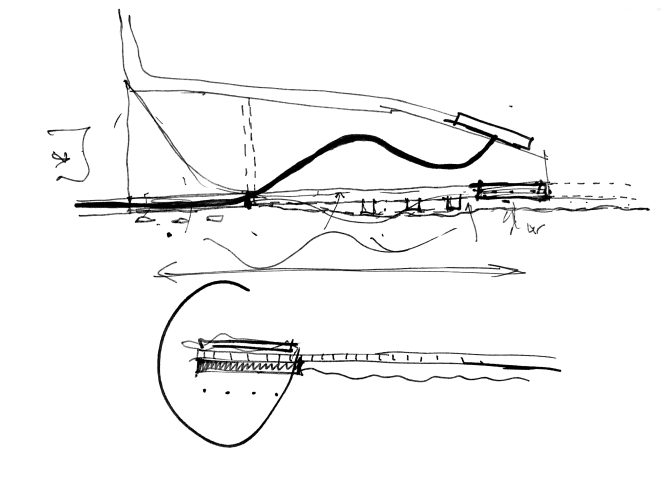
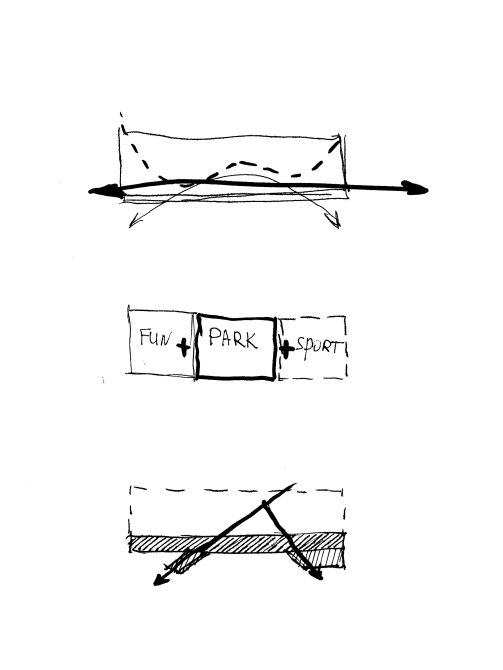
Lignano’s stunning coastal nature presented both opportunities and challenges. Its historic charm and cultural heritage served as a constant source of inspiration, while the natural beauty and delicate ecosystem demanded a sensitive approach. The biggest challenge was incorporating all the required functions and structures without overwhelming and disturbing the surroundings. Juggling these diverse requirements was demanding, but it also presented an exciting opportunity to demonstrate our versatility as designers. By approaching each area with a unique perspective while maintaining a consistent design language, we were able to create a cohesive and compelling master plan.
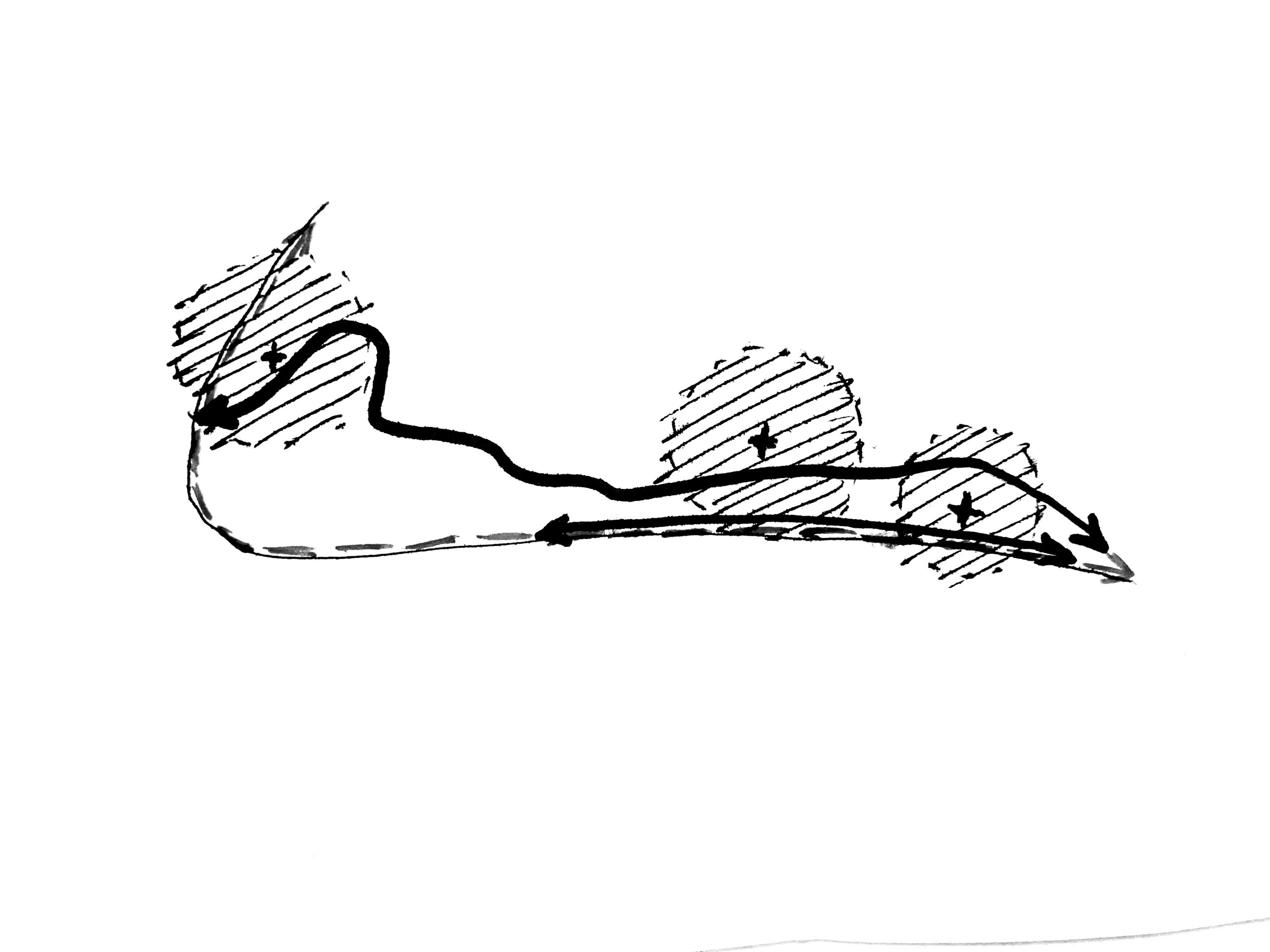
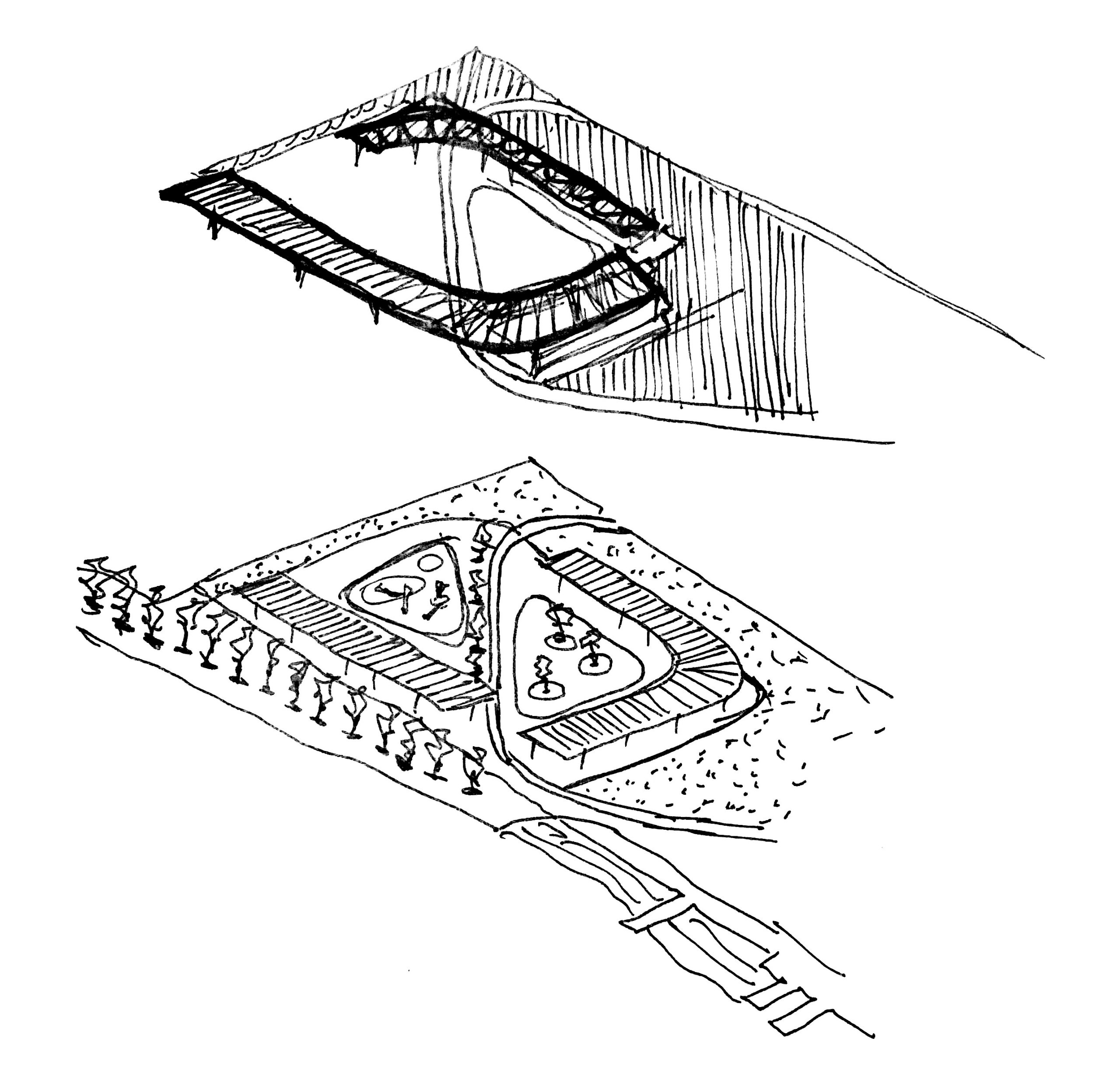
Despite designing six separate areas our goal was to create a cohesive scheme that would connect these areas through thoughtful design principles. That is why we needed that larger theme that would weave everything together. Just designing architectural objects in the same style wasn’t enough, that is why we started sketching ideas for the common pedestrian path that could become that common theme. The Riccardo Riva’s boulevard — a main vehicle axis of the site, had already stretched along the main spaces. However, the site clearly lacked pedestrian infrastructure. Considering the stunning natural beauty of Lignano`s waterfront the best solution to locate the main pedestrian and bike paths was along the shoreline.
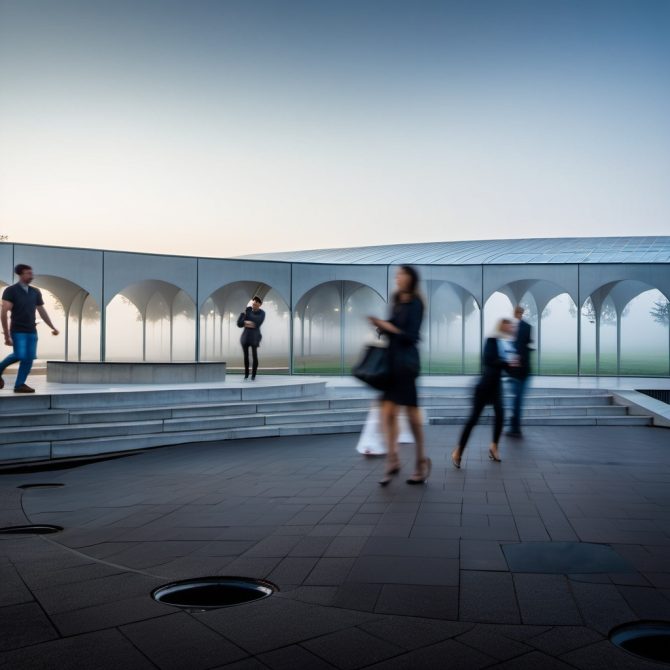
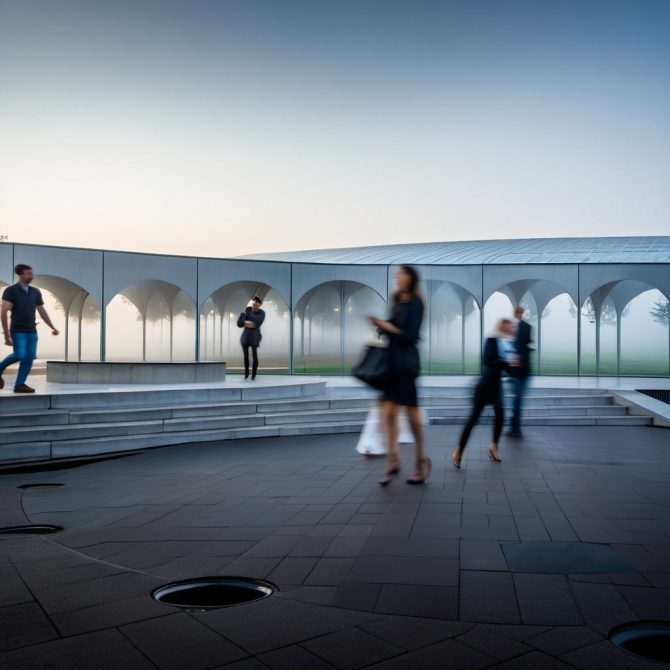
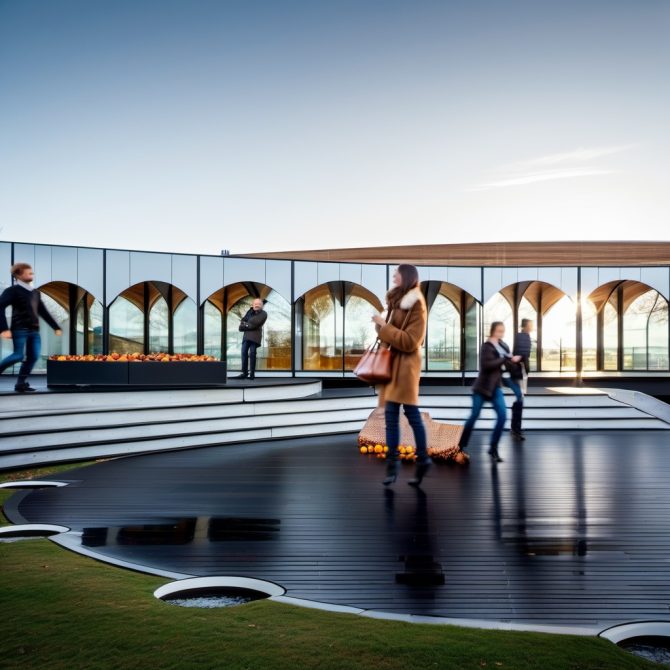
Along with moving forward with the masterplan design, we were continuously searching for the main features that would characterize the new buildings in each area. We decided to look into the rich historical heritage of Lignano Sabbiadoro, where the fusion of historical preservation and forward-thinking urban planning has given the site its unique charm. As we dived into the history of the place we found the stunning Terrazza a Mare — a building designed by famous Italian architects — Marcello D’Olivo and Aldo Bernardis. Terrazza a Mare is an iconic building located at the pier of Lignano that has sculptural arched forms shaped along the walkway. Considering the history of incorporating arches and rhythm in Italian architecture we decided to make it a common architectural feature of all new structures in our project. Holistically, by using arches instead of straight lines we softened the appearance of the new structures and helped them better integrate into the surrounding landscape.
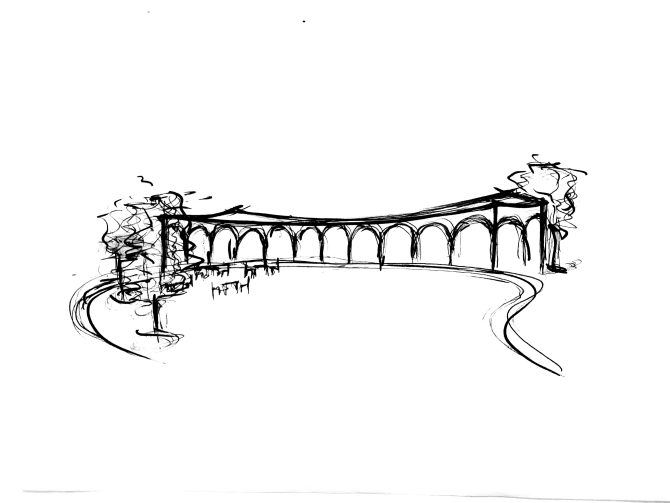
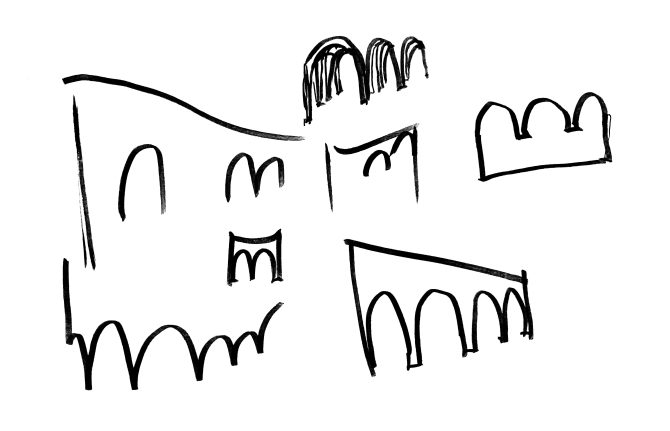
The brief of “Golden Sand Waterfront” placed a strong emphasis on sustainability and nature preservation. We recognized this as a crucial aspect and made it the cornerstone of our design strategy. This meant going beyond aesthetics and focusing on solutions that minimize environmental impact and foster a harmonious relationship with the natural surroundings. In our proposal, we embraced existing natural elements and carefully considered local traditions and architectural styles to create a design that feels authentic and respectful of the place. We have explored energy-efficient systems and implemented features like solar panels, green roofs, and natural ventilation to minimize energy consumption. Besides that, we utilized habitat restoration principles and integrated native plant species that supported biodiversity. We demonstrated a deep understanding of the project’s core values by aligning our design with the competition’s emphasis on sustainability and nature preservation. This strategic approach undoubtedly contributed to the success of our entry.
Overall, the design process for our winning project “Lignano 2.0″ was remarkably linear. Extensive preparatory work laid a solid foundation for the subsequent design stages. By thoroughly understanding the site, analyzing user needs, and establishing clear design objectives, we were able to develop a cohesive and efficient workflow.
The initial concept, rooted in the principles of sustainability, accessibility, and community engagement, remained steadfast throughout the process. With a clear vision in mind, the design evolved organically. There were minimal back-and-forth revisions, as the initial concept proved to be robust and adaptable. During the last couple of weeks of the design process our focus shifted primarily to refining details, optimizing spatial relationships, and ensuring seamless integration with the site’s natural features. This streamlined approach allowed us to allocate more time to developing clean graphics and crafting a compelling narrative for the project.
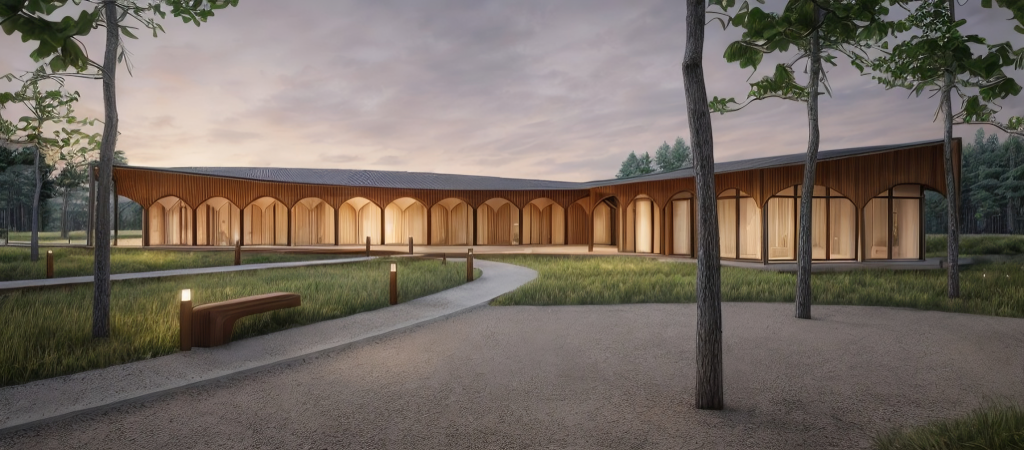
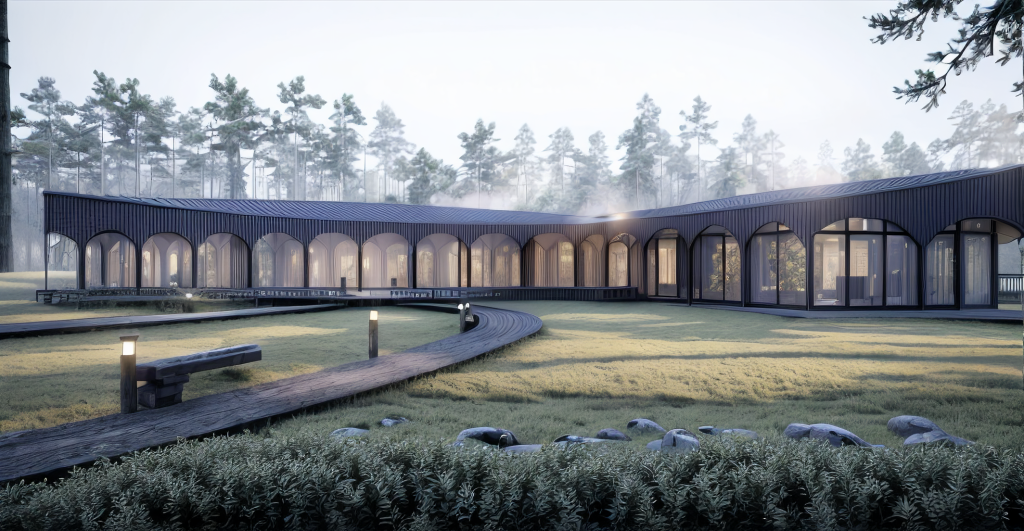
Drawing a Vision
For us as designers, architectural drawings and renderings are more than mere images; they are powerful storytelling mediums. They transform abstract ideas into tangible experiences, allowing us to communicate our vision and evoke emotions. Visualizations transcend language barriers and when done effectively, can captivate audiences, inspire change, and ultimately shape the built environment.
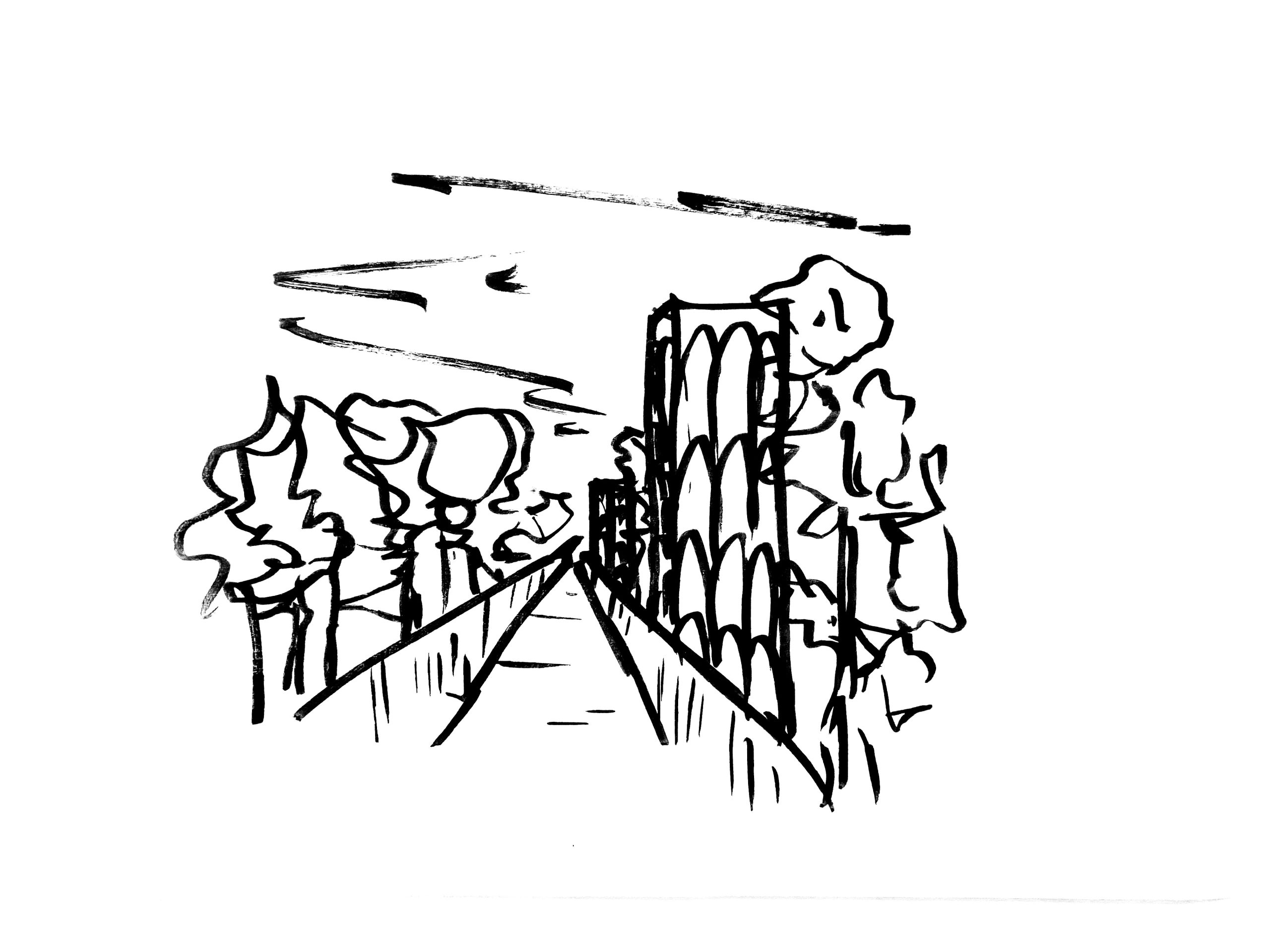
From the start of the project, we understood the importance of setting a mood for our visuals. We wanted to convey a sense of tranquility, sustainability, and community. Our initial sketches were imbued with soft lines and organic forms, mirroring the gentle rhythm of the waves at Lignano`s waterfront. The color palette was deliberately muted, evoking the natural beauty of the site. These early drawings and moodboards established the foundation for our design narrative.
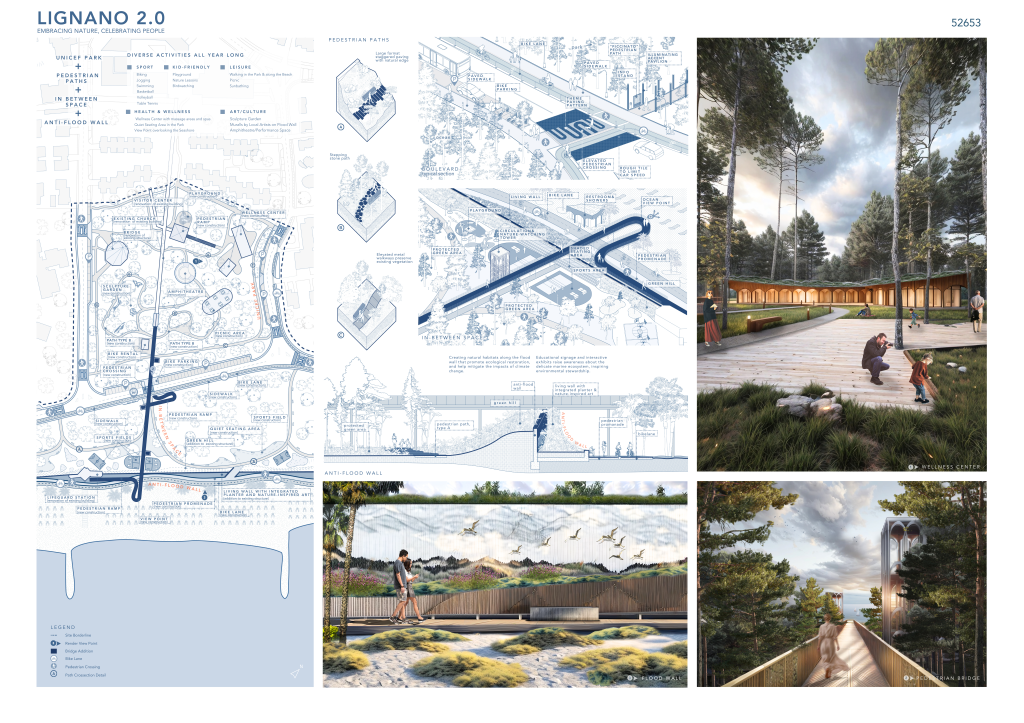
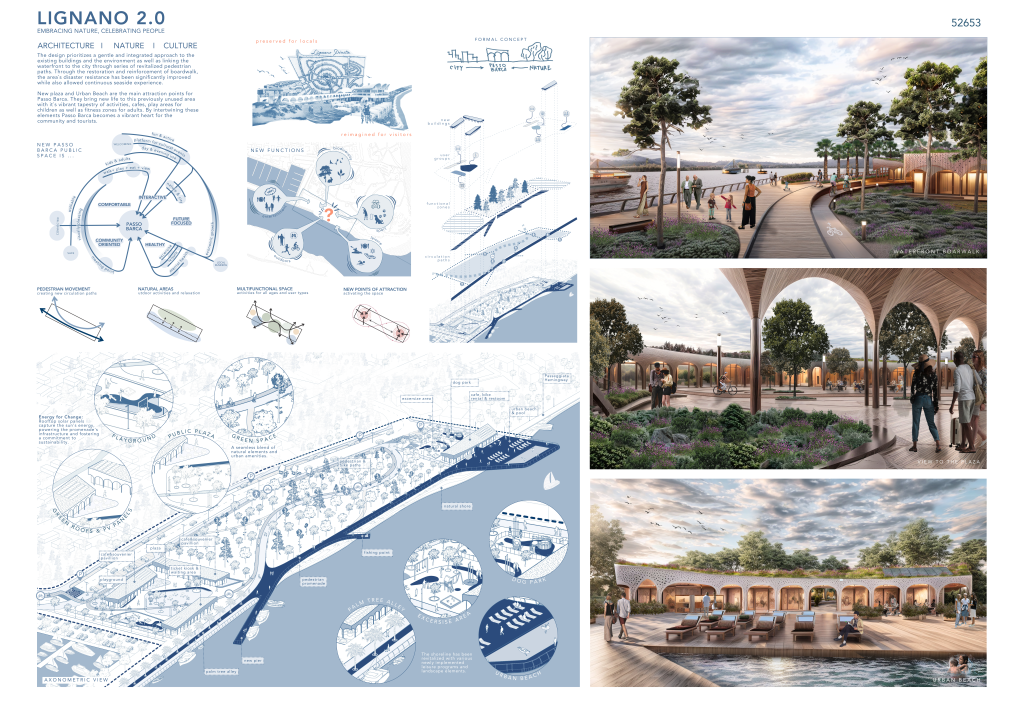
We believe that our renderings helped to immerse the jury in the proposed environment, allowing them to imagine themselves strolling along the waterfront or relaxing in a beachfront cafe. On the other hand, axonometric drawings offered a more technical perspective, revealing the spatial relationships and circulation patterns. By combining these techniques, we created a rich and multifaceted visual experience, making them invaluable tools for engaging with competition judges.
“The Golden Sand Waterfront” competition provided a unique canvas for our storytelling process. Our winning proposal is a carefully crafted narrative about the relationship between people, nature, and the waterfront. For instance, the elevated pedestrian bridge, that you can see in one of the renderings, is more than just a structural element, it is a symbol of our design philosophy. It represents a symbolic connection, bridging not only physical spaces but also the project’s core values: nature and community. By carefully selecting the perspective and composition of our renderings, we aimed to evoke a feeling of wonder and excitement, enticing viewers to explore the rest of the design.
Ultimately, our drawings and renderings were instrumental in communicating the full potential of our design. They helped us create a compelling narrative that resonated with the competition jury. By carefully crafting each image, we were able to evoke a strong emotional response and inspire a shared vision for the future of Lignano’s waterfront.
Conclusion
Winning “The Golden Sand Waterfront” competition was a culmination of months of hard work, dedication, creative exploration, a deep understanding of the competition brief, and a strong design concept. This project represents our vision for the vibrant, sustainable, and inclusive future of Lignano Sabbiadoro.
We believe that urban waterfronts are more than just coastlines; they are untapped opportunities for cities to thrive. By revitalizing waterfronts, cities can stimulate economic growth by attracting businesses, creating jobs, and enhancing tourism, as well as, improving public health, and enhancing environmental quality. Waterfronts can be transformed into vibrant public spaces, offering residents and visitors opportunities for recreation, leisure, and cultural activities. By unlocking the potential of these valuable assets, cities can create more livable, equitable, and resilient urban environments. With our project “Lignano 2.0” we hope to inspire others and contribute to the ongoing revitalization of coastal communities.
A Message to Aspiring Designers
For all aspiring designers and architects out there, never underestimate the power of your dreams. Embrace the challenges, learn from every experience, and don’t be afraid to chase the dream of winning a design competition. With dedication, strategic planning, and a strong team by your side you can do it.
Based on our experience these are key aspects that may help you win a competition:
- Deep Dive into the Brief
At every stage of the design process of our winning project, we used a competition brief to direct our research and shape our design decisions. Therefore our first advice — treat the competition brief as your design bible. Dedicate time to thoroughly understand the project requirements, site conditions, and evaluation criteria. What are the jury’s priorities? Are there specific sustainability goals or program needs? This deep dive will ensure your design aligns perfectly with the competition’s vision, increasing your chances of success.
- Assemble a Strong Team
Assemble a team with complementary skills. Do you know someone who excels at conceptual design? Pair them with someone who masters technical details or visual communication. This will allow you to leverage each other’s strengths, maximizing the quality and impact of your design.
- Tell a Story
Do not underestimate the importance of a project description, which is usually required to be submitted alongside your boards. A well-crafted project description is an opportunity to convey your unique approach guiding your audience through the goals, methods, and outcomes of your project. This is yet another opportunity to be creative. Think about it from the point of view of a reader — what would catch your attention, or make you feel something? Be a storyteller! Use the words as a tool to share the feeling behind your project, and your values, why it matters, and try to avoid simply stating the program. A compelling project description is not just a formality but a powerful tool that can enhance the impact and success of your project.
- Stand Out from the Crowd
While adhering to the competition guidelines is important, it’s also essential to showcase your individuality and creative flair to truly make an impact. Explore innovative solutions, unique materials, or unexpected program elements that will set your design apart from the rest. Think of unconventional tools or strategies that could add a unique touch to your design. Be yourself! This is your project so don’t be afraid to make it the way you want to!
- Learn from Every Experience
Each competition entry, win or lose, is a valuable learning experience. We also didn’t win our first competition but we’ve learned from that experience. So don’t give up if you don’t make it to the finalists in your first competition. Make sure to analyze your successes and failures from your previous entries (if you had such). What aspects of the project worked well? What could be improved? Use this knowledge to refine your approach for future competitions. Have fun!
Authors: Iuliia Tambovtseva, Valentina Tambovtseva

Love this deep dive? There’s plenty more where that came from.
This article is just one of many success stories featured in the Architecture Competitions Yearbook.
If you’re serious about winning and want 10+ more case studies, expert interviews, and jury insights on your desk, grab your copy below.
Architecture Competitions Yearbook
The post From “How do they do it?” to 1st Prize: The Story of Lignano 2.0 appeared first on Competitions.archi.